Why do trees have blossom?

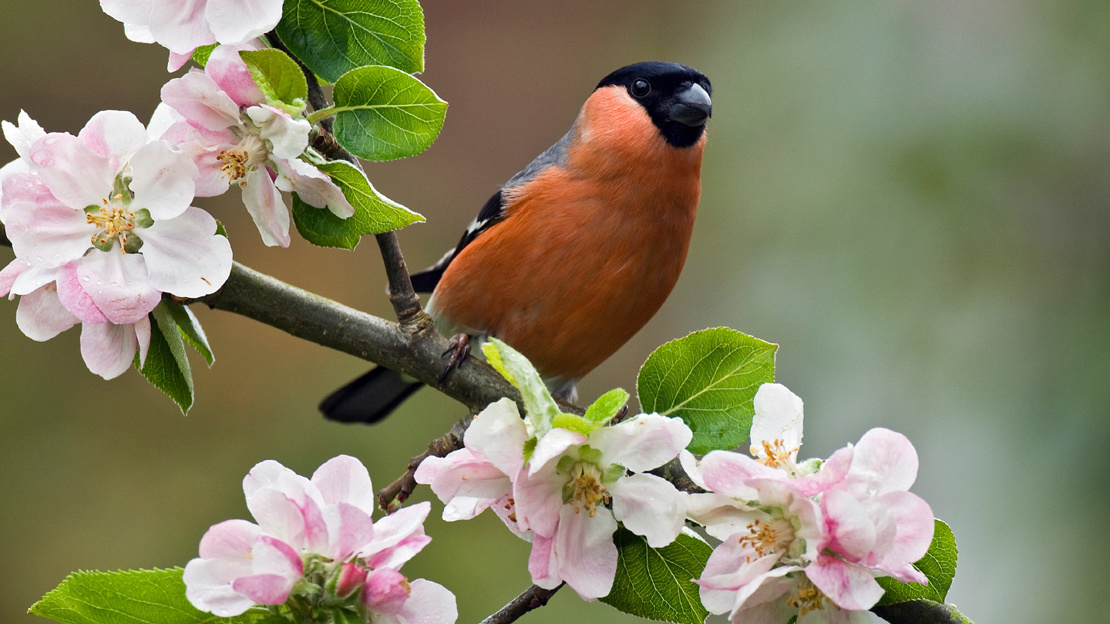
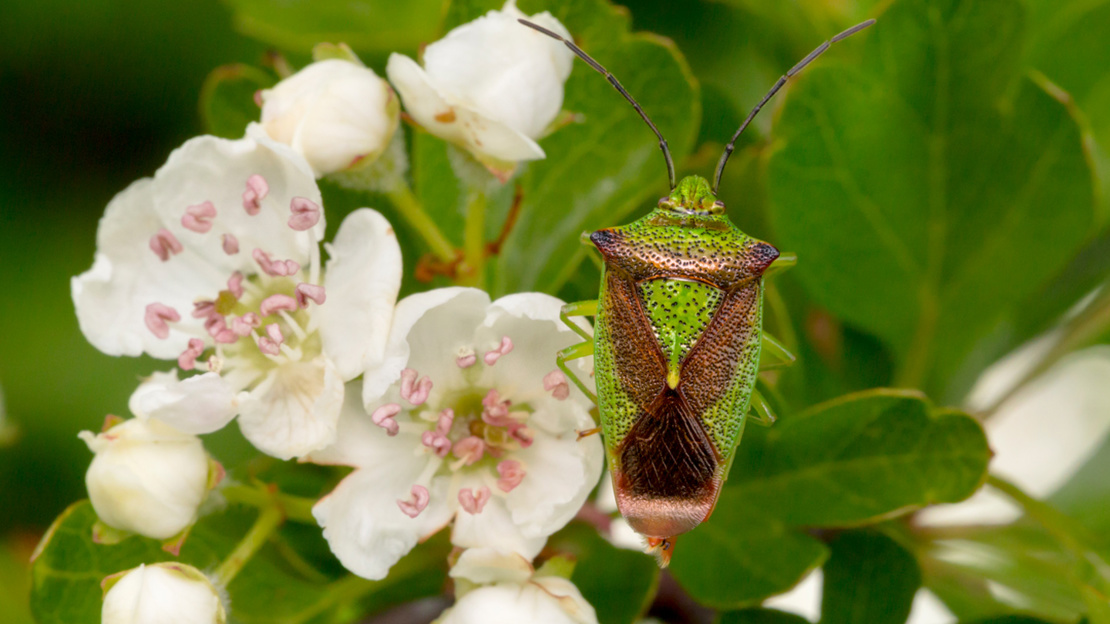
Fruiting trees rely on insects for pollination, so their flowers tend to be showy, colourful and sweet-smelling to signal that nectar is available. In contrast, wind-pollinated trees tend to have drooping or hanging clusters of flowers that are inconspicuous and green or brown in colour.
What is blossom?

Many trees flower in spring, but what makes it blossom?

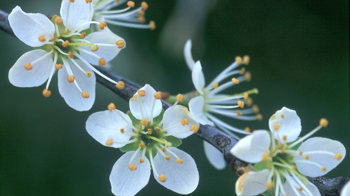
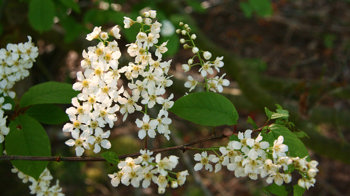
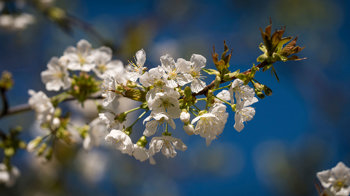
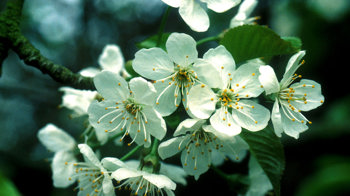
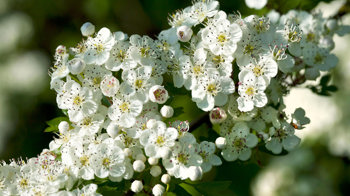
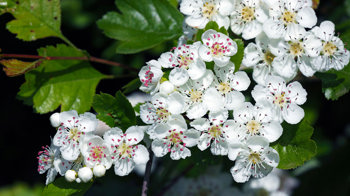
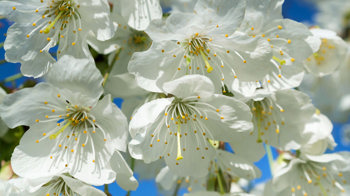
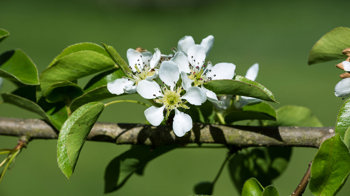
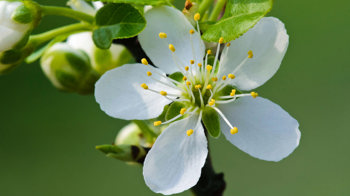
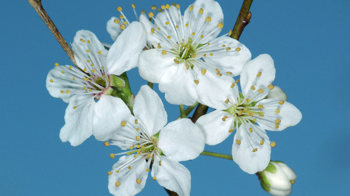
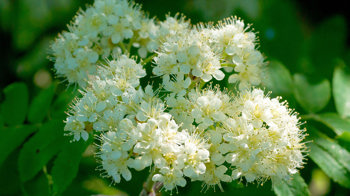
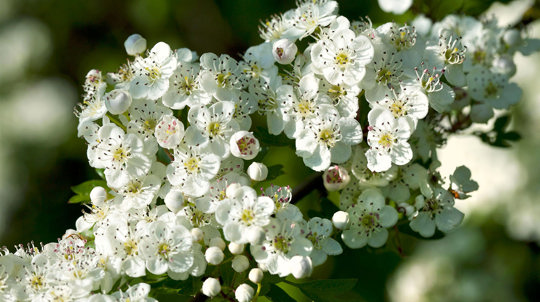
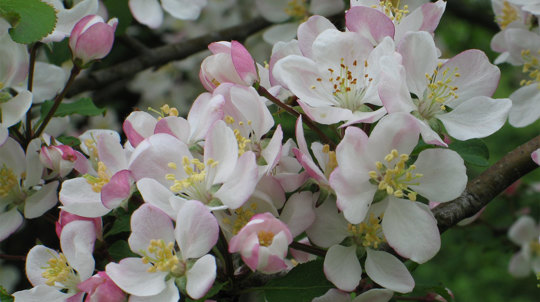
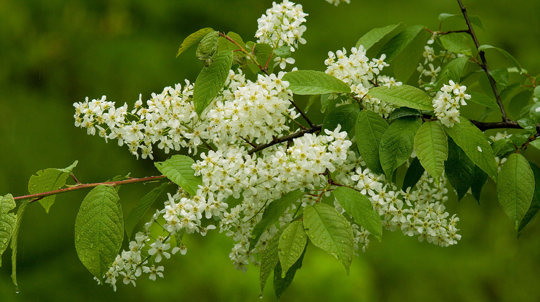
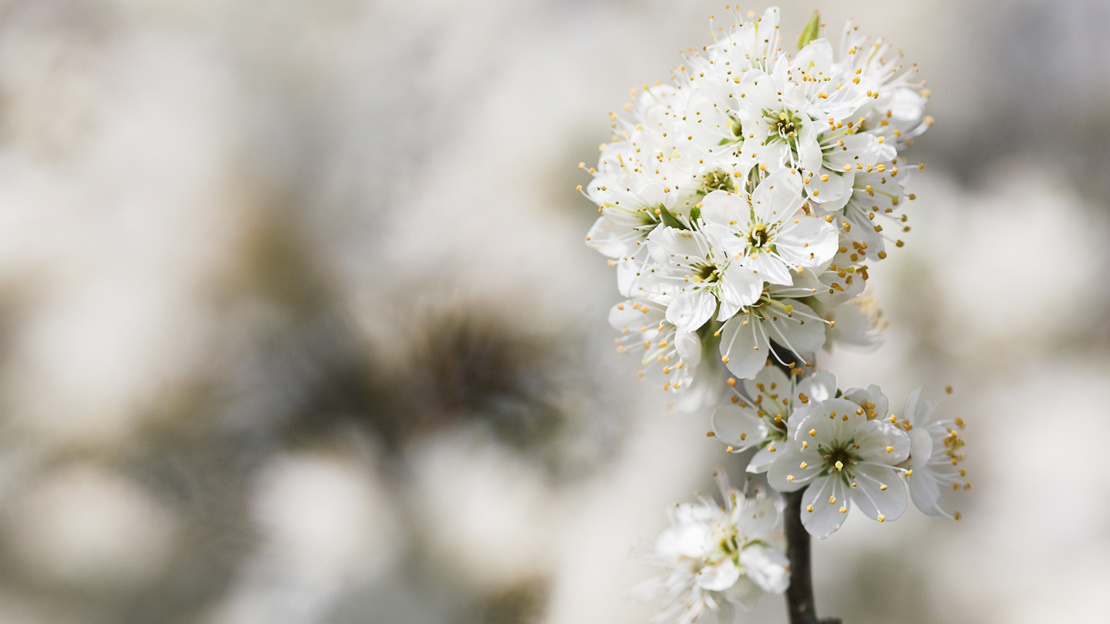
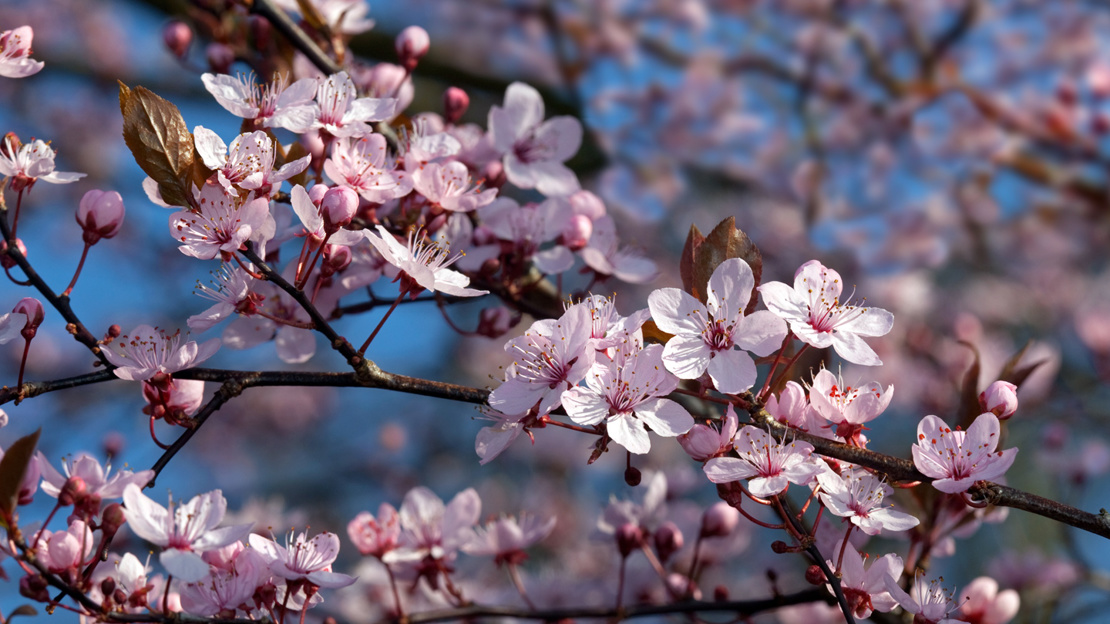
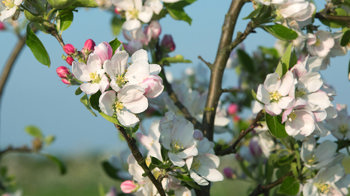
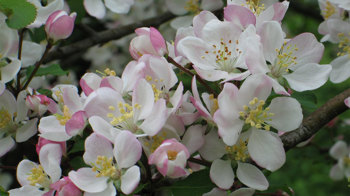
Botanically speaking, blossom refers to the flowers of stone fruit trees in the family Rosaceae such as plums, cherries, apples and hawthorns. They usually flower abundantly over a relatively short period in spring and range in pastel colours from creamy whites to deeper pinks.

Where to see blossom in the UK

Orchards, parks, gardens, woodlands and along streets and hedgerows are all good places to spot blossom.

We look after more than a thousand woods across the UK that are free for you to explore. Find a wood near you and enjoy a spring walk.

Plant your own blossoming tree

Turn your garden into a spring haven with British blossoming trees that brighten your space and nourish pollinators. 

Shop now

When to see blossom in the UK

Most trees blossom in spring as the temperatures rise and sunlight increases, with blackthorn usually flowering first. You can often spot pear and plum blossom from March. April sees many trees in bloom, including wild cherry, crab apple and hawthorn. Later in spring and into early summer, rowan and domestic apple trees follow, with soft white and pink blossoms. 

Flowering times vary across the UK – generally, the further north you are, the later trees will bloom. The calendar below gives a rough guide to when you can expect trees to be in blossom. 

UK spring blossom calendar

Species

Month

Blossom colour

blackthorn

February – March

white

cherry plum

February – March

white

pear

March

white

plum

March – April

white

bird cherry

April

white

wild cherry

April

white

crab apple

April – May

white or pink

hawthorn

April – May

white or pink

Midland hawthorn

April – May

white or pink

Plymouth pear

April – May

cream or pink

sour cherry

May

white

rowan

May – June

creamy white

domestic apple

May – June

white or pink

Species

blackthorn

cherry plum

pear

plum

bird cherry

wild cherry

crab apple

hawthorn

Midland hawthorn

Plymouth pear

sour cherry

rowan

domestic apple

Month

February – March

February – March

March

March – April

April

April

April – May

April – May

April – May

April – May

May

May – June

May – June

Blossom colour

white

white

white

white

white

white

white or pink

white or pink

white or pink

cream or pink

white

creamy white

white or pink

swipe to see more
Flowering times

Climate change is causing UK plants to flower almost a month earlier on average, according to a study using our Nature's Calendar observations.

Is spring arriving earlier?

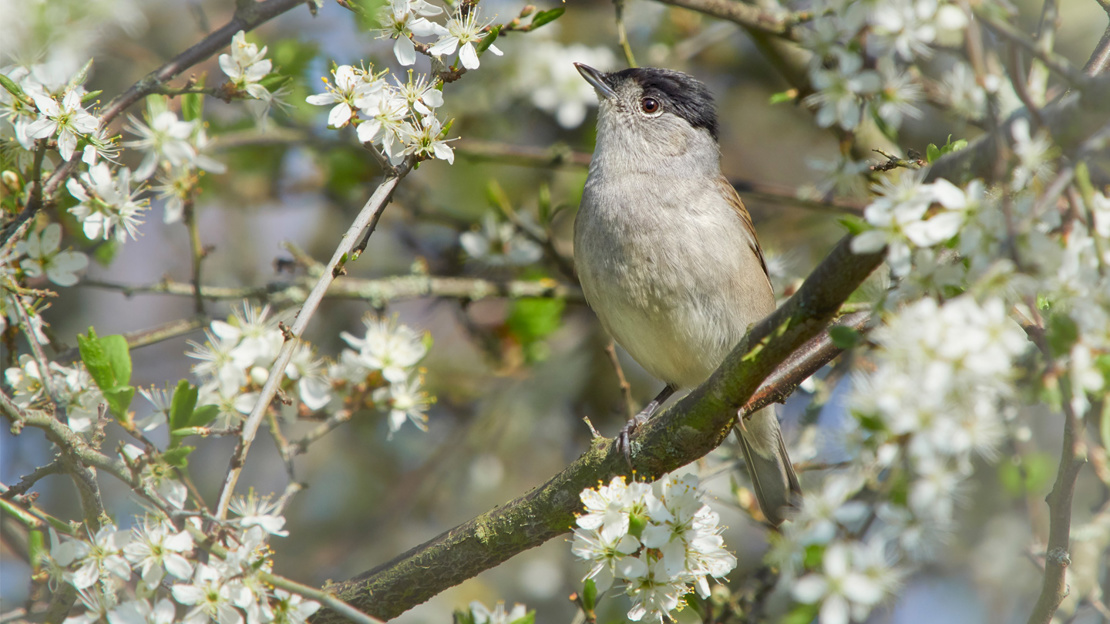
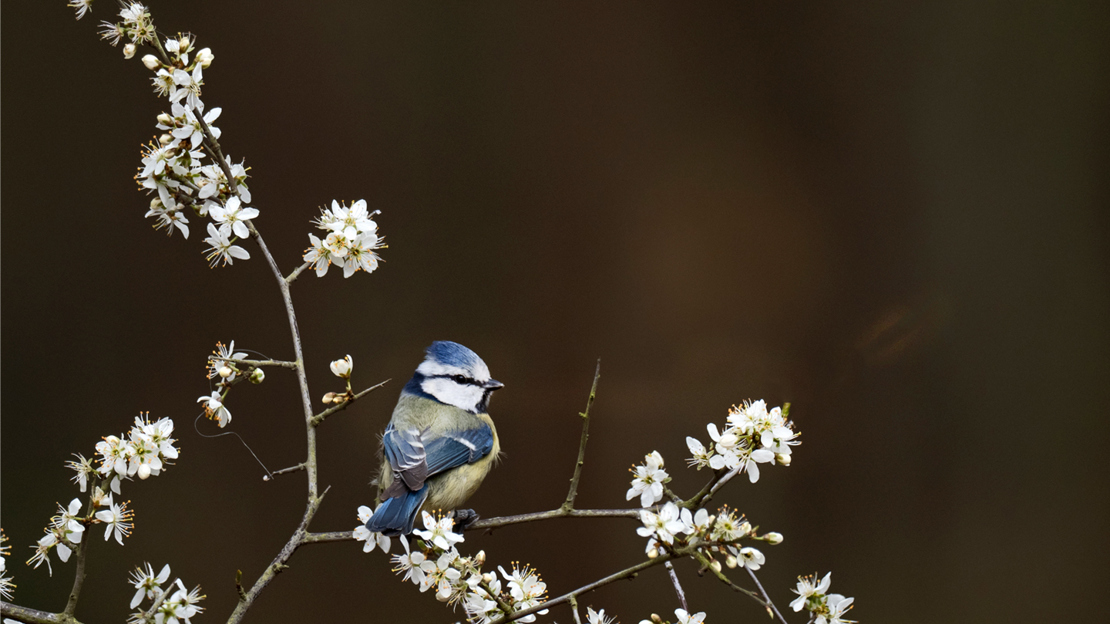
Although we love the arrival of spring, early springs year after year can have catastrophic consequences for wildlife. When blossom appears earlier, it can create an ecological mismatch where hungry chicks hatch too late to feast on insects that feed on the flowers.

You can help track these changes. Anyone in the UK can submit a record to Nature’s Calendar, it will help scientists understand how climate change is affecting ecosystems across the UK.

British blossom trees - take a closer look

Explore our list of the UK's wild and naturalised blossom trees and learn how to identify them with our easy tips.

Read more about blossoms 

Explore our spring blogs