What's happening to wildlife near you?
We are desperate for more records to help us understand the effects of warmer, drier summers.
Record with Nature's Calendar
Digital content editor
In a rapidly warming world, the UK's changing climate is forcing both people and nature to adapt.
After exceeding 40°C for the first time ever in July of 2022, our weather has continued to break records. 2025 was the UK’s warmest summer on record and, more recently, the country experienced its hottest ever June day in 2026 during a summer of multiple heatwaves.
The impacts on human health and the economy are often widely reported during these events, but what effects do extreme heatwaves have on wildlife?
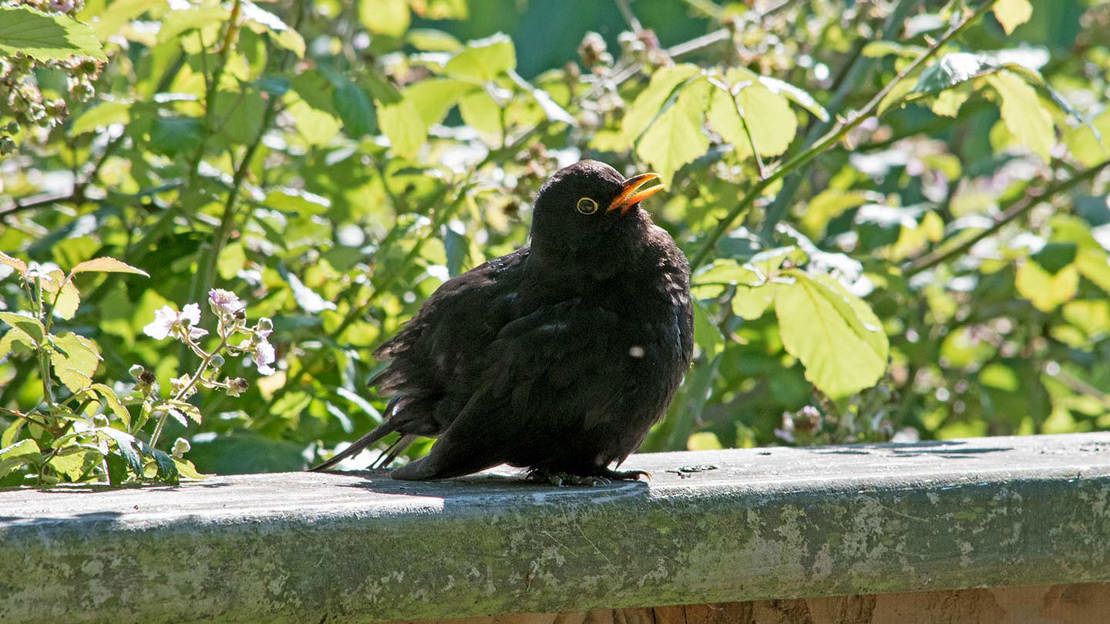
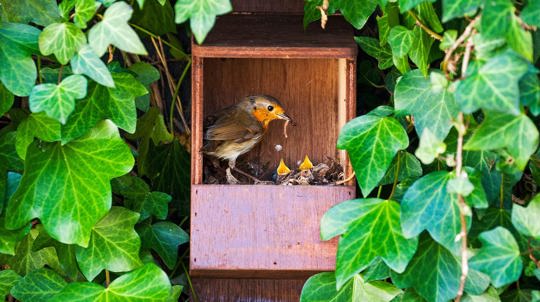
Birds have a higher core body temperature than many other animals. They also don’t have sweat glands, so struggle to maintain their body temperature in hot weather. This is why you may see birds ‘panting’ during a heatwave – opening their beak to try and lose some heat.
Despite not being able to sweat, birds still lose a lot of water in hot weather through their droppings and respiration. This combined with usual water sources drying up can mean birds struggle to rehydrate and keep their feathers in top condition.
In addition, intricate food chains are disrupted in hot weather, as the heat dries up the soil and negatively impacts certain insect populations. Birds that eat invertebrates therefore struggle to find food.
We are desperate for more records to help us understand the effects of warmer, drier summers.
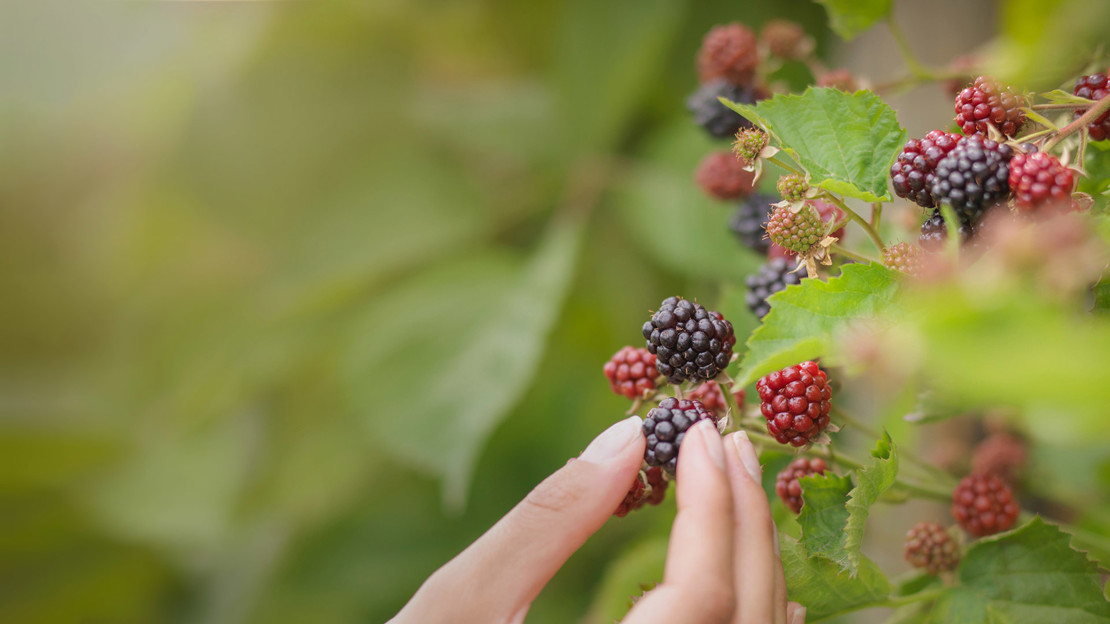
Record with Nature's CalendarOur climate dictates the natural order, and an unsettled climate can throw the cycles of nature off-kilter. Take fruit and nuts, for example. At our Nature's Calendar project, we received some of our earliest ever ripe blackberry records in 2026. Ripe berries were observed on 28 June – more than a month earlier than the average in a typical year.
Ripening now happens earlier for lots of plant species. And if it gets too hot, fruit can be smaller and drop earlier. This is a mechanism that helps plants and trees preserve water. But this can spell disaster for the wildlife that depends on them later in autumn, when animals such as bank voles and blackbirds start building their energy reserves for winter.

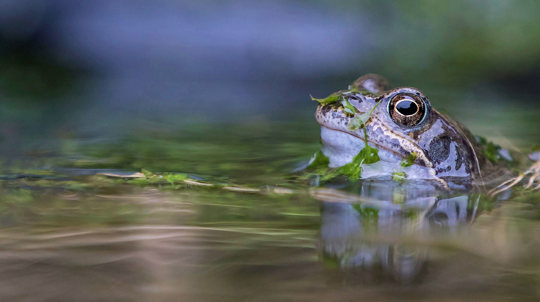
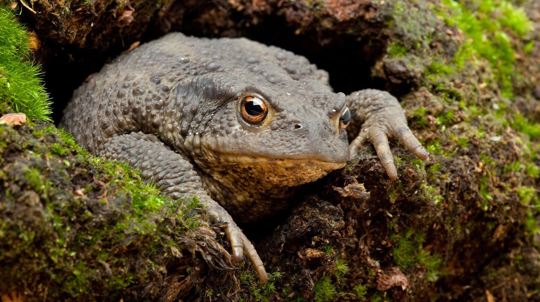
Hot weather can seriously disrupt amphibian lifecycles. Warmer water may mean that tadpoles develop faster, but it can also dry up ponds. When this happens, young frogs and toads leave the pond before they’re fully developed and if they haven’t yet reached the stage where they should leave the pond, they will simply die.
Drier conditions also make it harder for amphibians to find the damp, cool spots where they usually take refuge.
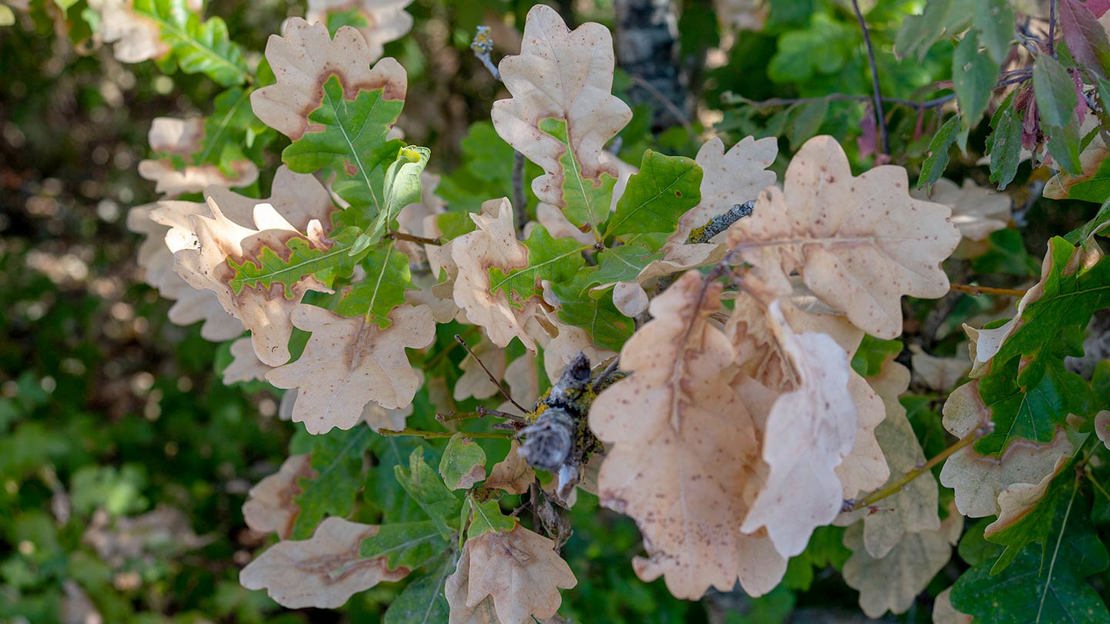
Heatwaves often go hand-in-hand with drought. A lack of water can cause serious problems for trees, with the sugars in leaves becoming concentrated and the production of anthocyanin (red and pink colour pigments) increasing.
Consequently, the leaves turn red or brown, and a tree may shed them completely to preserve the moisture in its branches and trunk, giving the impression of a very early autumn.

Heatwaves play havoc with already declining insect numbers. Hot weather scorches the plants that insects feed on and kills young caterpillars.
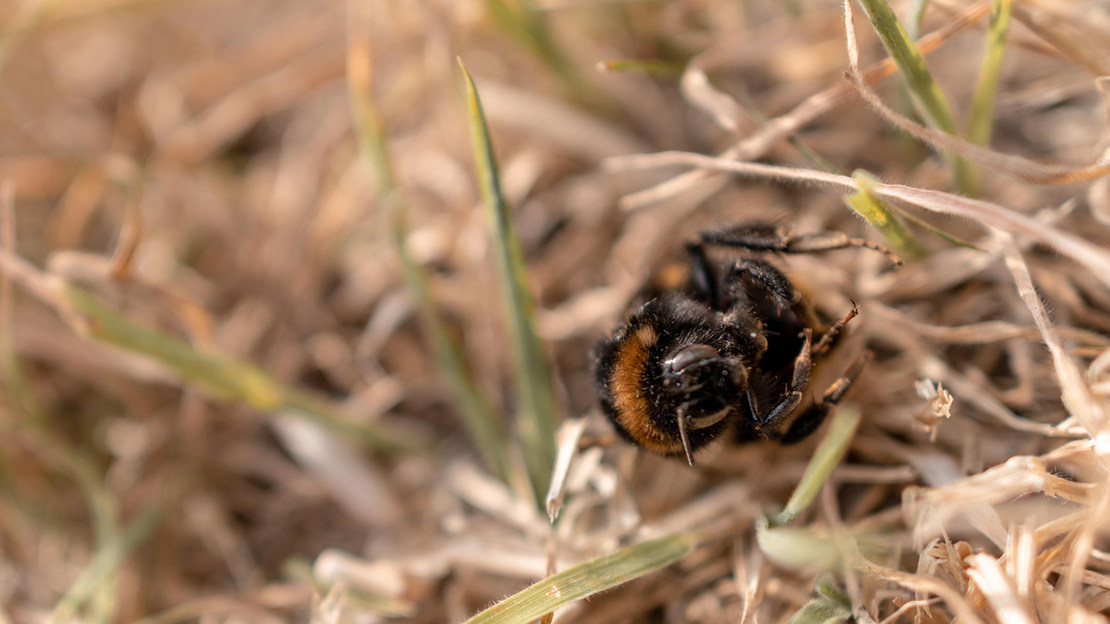
Bumblebees are particularly affected by rising temperatures. Their furry coats mean they quickly overheat and can’t fly or forage. Bumblebees do store food reserves in their nests, but these last for just a few days – not sustainable in prolonged heatwaves.
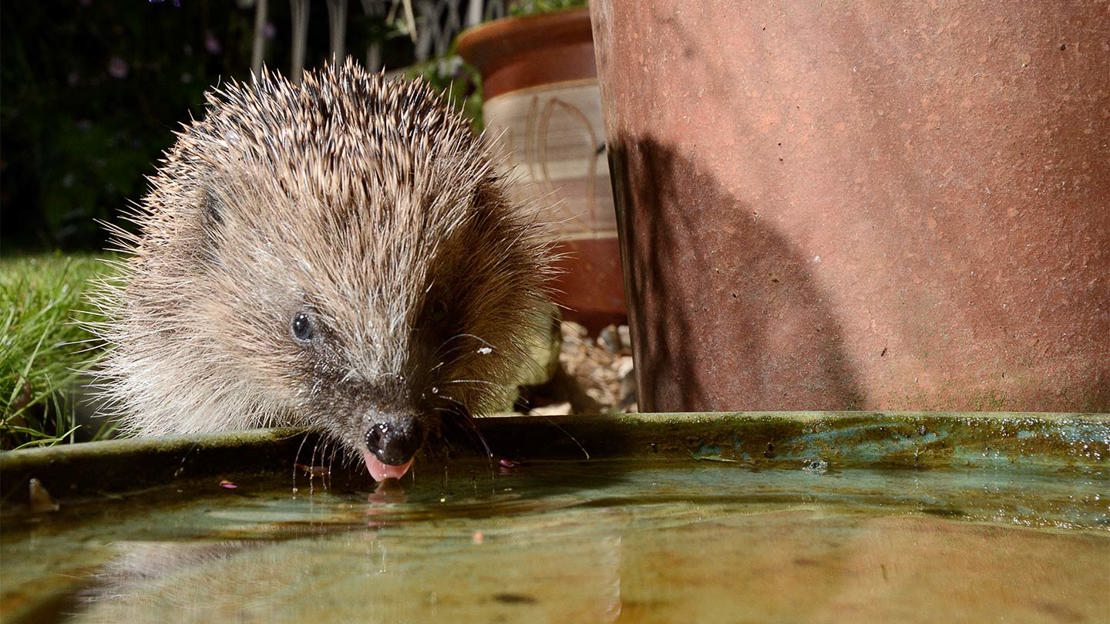
Drought conditions are bad news for badgers and hedgehogs as it can be almost impossible to dig into the hard, parched ground to unearth beetles and worms.
And as water sources dry up, staying hydrated becomes difficult. This is particularly true for young mammals. Whether they’re still feeding from mum or fending for themselves, they can face malnutrition.
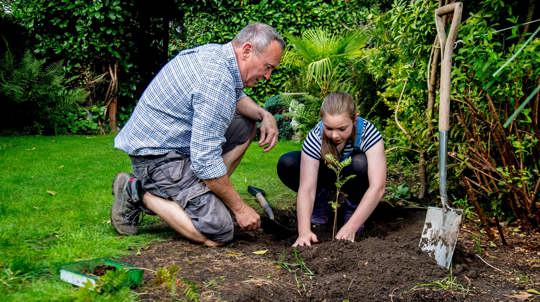
Whether you have a garden, small outdoor space or even just a balcony, there are things you can do to give wildlife a helping hand when a heatwave takes hold.
Leaving out water in a shallow bowl or bird bath is one of the easiest ways to help wildlife in a heatwave. As streams and pools dry up, garden birds, mammals and insects will all be on the lookout for other water sources, so you could be throwing them a lifeline.
Just remember to change the water daily and clean bird baths once a week, to keep visitors healthy and disease-free.
Tall grass, shrubby plants and native trees provide much-needed shade for wildlife of all shapes and sizes. Don’t be afraid to let things get messy – leaf piles, log piles and stray branches help create damp, shady spots that invertebrates love.
You could include soaked sultanas and currants. Or try wet cat food for hedgehogs (no mealworms!).
If you have a pond, topping it up in hot weather gives amphibians somewhere to soak safely. It’ll also be used by other thirsty animals, so ensure it has easy exit points for any that fall in. Rainwater is always best for ponds, so use water from a water butt if you have one.
The State of the UK Climate 2025 report reveals that climate change isn’t just a threat to our future – it’s impacting our lives and the natural world right now.
Fuelled by greenhouse gases, climate change has already warmed the planet by around 1.4°C since pre-industrial times. And according to the Met Office, we’re likely to experience hotter, drier summers and more severe heatwaves in the UK in future.
It’s hard to predict how the changing climate will affect wildlife and food chains in the long term, but you can help us understand and track the trends. Let us know the signs of the changing seasons near you, from the first flowering dog rose to the last recorded swift, with Nature's Calendar.
We can track changes from year to year and you can explore the live maps to see how one year compares to another.
We are desperate for more records to help us understand the effects of warmer, drier summers.
Record with Nature's Calendar
Protecting trees and woods
Often triggered by human activity, wildfires can have devastating consequences for wildlife, habitats, infrastructure and people. And thanks to climate change, the risk is increasing.
Trees woods and wildlife
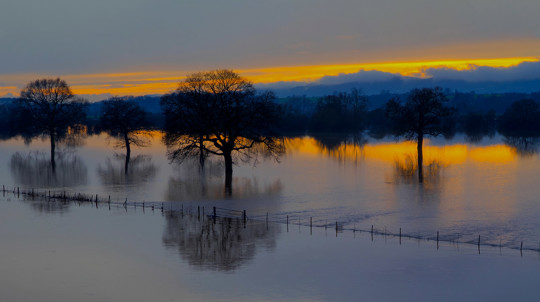
Trees and woods play a vital role in reducing flooding by slowing down the flow of rainwater, absorbing rainwater, and reducing erosion.

Climate change
Trees woods and wildlife
Trees are one of the best natural climate change solutions. Find out how they lock up carbon and how many the UK needs to reach carbon net zero by 2050.