Quick facts

Common names: jay, Eurasian jay, acorn jay

Scientific name: Garrulus glandarius

Family: Corvidae (crows)

Habitat: broadleaf and coniferous woodland

Diet: acorns, insects, seeds, fruits and sometimes young birds, eggs and small mammals

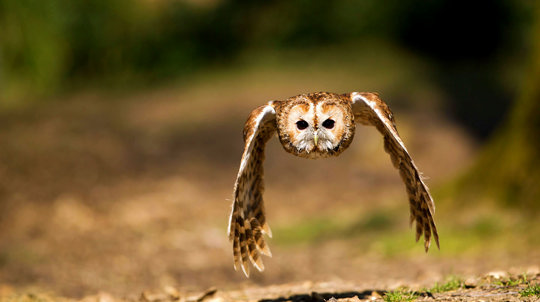
Predators: birds of prey

Origin: native
What do jays look like?

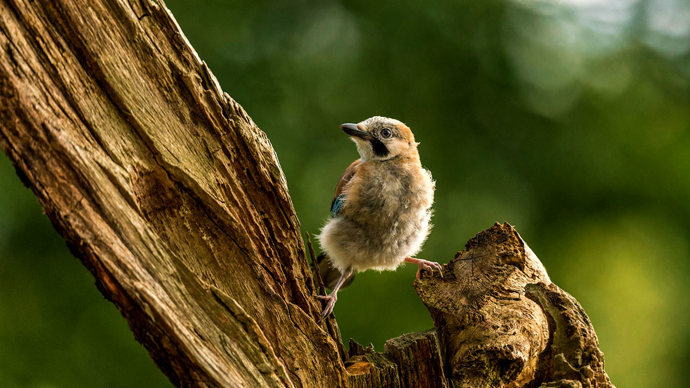
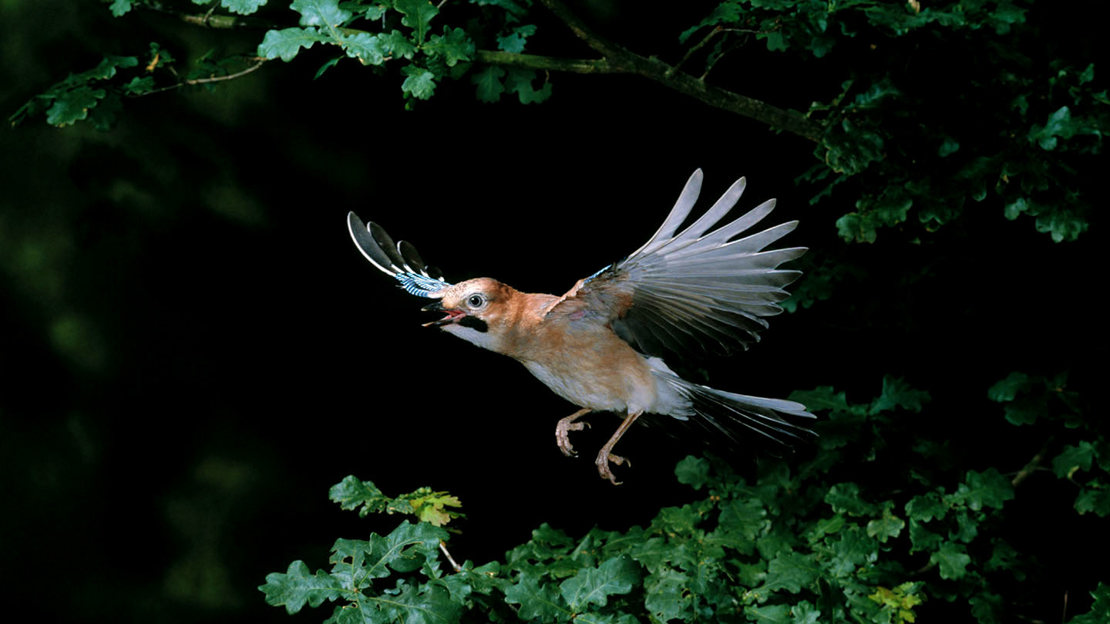
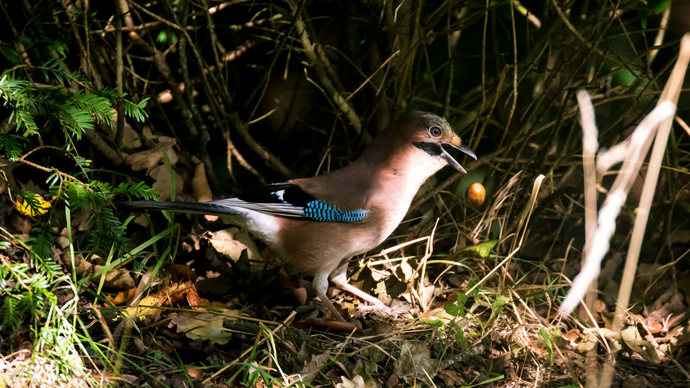
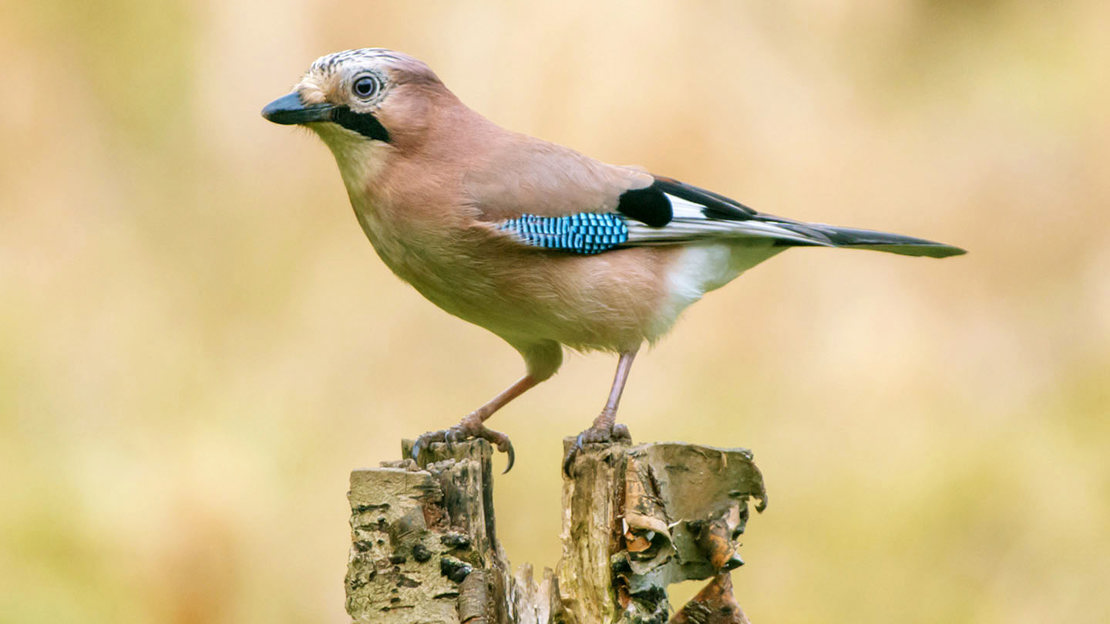
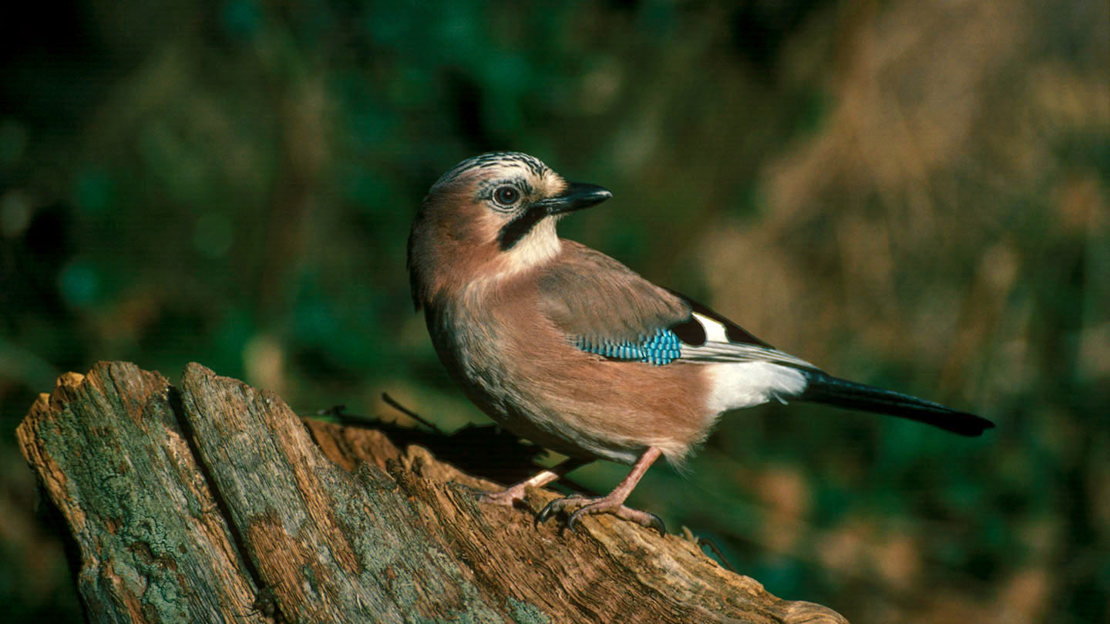
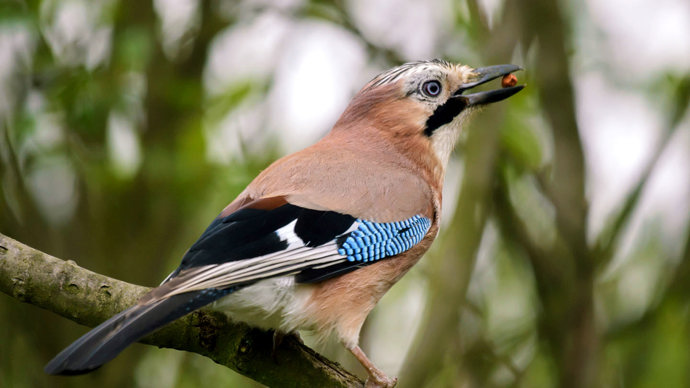
The jay has pale pink plumage, a black tail and white rump. Its head has a pale crown with black streaks, and black facial markings and bill. Its wings are black and white with a panel of distinctive electric-blue feathers.

It has a wingspan of around 55cm and is 35cm from tail to beak.

Credit: John Bridges / WTML

What do jays eat? 

Jays hop around on the ground in search of acorns, and for places to hide them. Storing acorns like this is called ‘caching’ and provides the birds with food in leaner times. However, not all acorns are found again, which means some are left to grow into oak trees. Jays will also sometimes take eggs and young birds from nests.

How do jays breed?

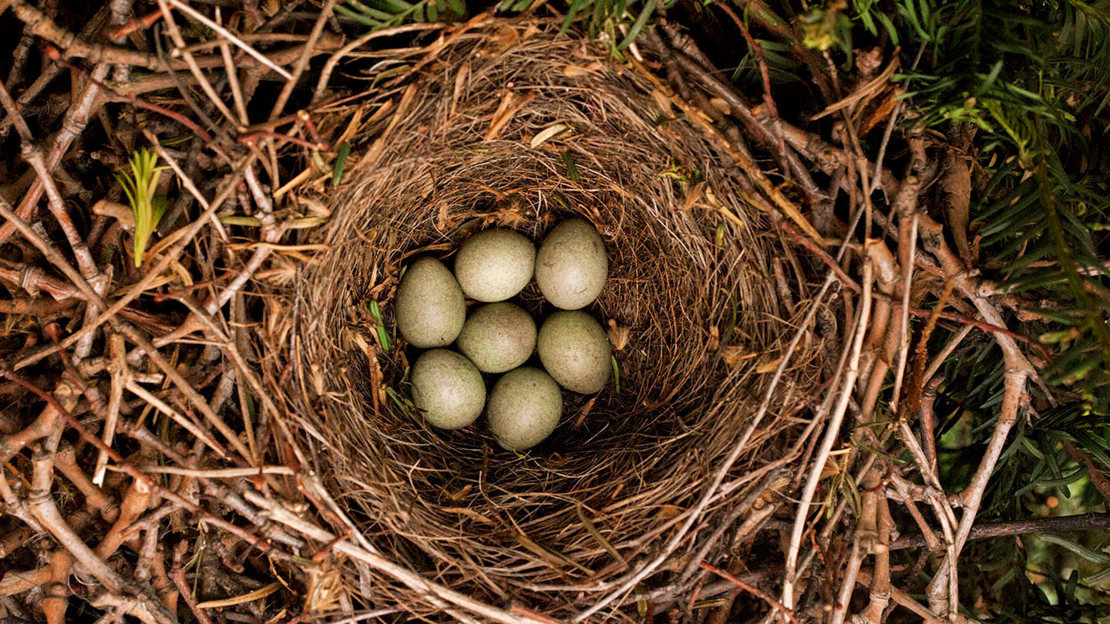
April is usually the beginning of the nesting period for jays. Pairs mate for life and work together to construct their messy-looking nests. Nests are built in trees and shrubs using twigs, with roots and hair for lining, where the female will lay four to five eggs. Eggs are incubated for 16 days, with chicks fledging at around 22 days old.

Credit: Alius Imago / Alamy Stock Photo

Where do jays live?

Jays are widespread across the UK, apart from northern Scotland, and are active throughout the year. They favour broadleaf woodland but are also found in conifer woodland, scrub and urban areas.

How common are jays in the UK?

There are around 170,000 breeding pairs of jays in the UK, making them a green-listed species. They’re secretive but common across most of the UK, and are usually spotted foraging for food in woodland, parks and gardens. 

As resident birds, you can see them all year round, but they’re particularly visible during autumn while searching for acorns to cache.

Signs and spotting tips

Jays are most noticeable in autumn when they’re foraging for and burying acorns, but they can be seen all year round.

You’re likely to hear a jay before you see it – it has a characteristic ‘screeching’ call. It’s also a skilled mimic, sometimes copying the songs and calls of other birds.

Jay call

Audio: Andrew Harrop / xeno-canto.org

Are jays protected in the UK?

Yes, in the UK jays are protected under the Wildlife and Countryside Act, 1981. However, jays can be controlled on a conservation basis as part of Defra’s general licence for the protection of endangered wild birds. This specifically refers to instances when there’s a threat of them predating a set list of amber- and red-listed birds, such as woodland species like the willow tit. 

So, while jays, like all wild birds, are protected in the UK, there are caveats to this protection. 

Credit: Ian Proctor / Alamy Stock Photo

Threats and conservation

The population is currently stable; however, persecution, the loss of wooded habitats and poor acorn crops can all pose a threat to jays.

Keep exploring