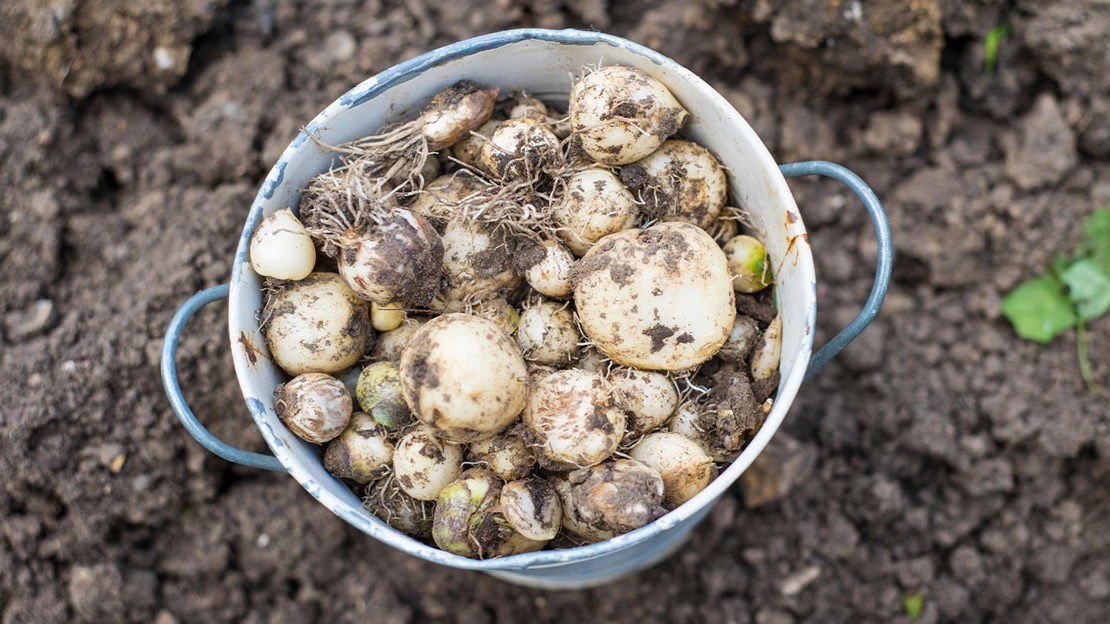
- Start with bulbs, seeds can take four to five years to flower.
- Ensure bulbs are sourced and grown in the UK to reduce the risk of pests and diseases.
- Plant dry bulbs in autumn and ‘in the green’ bulbs in spring.
How to grow native bluebells in your garden
Citizen science manager
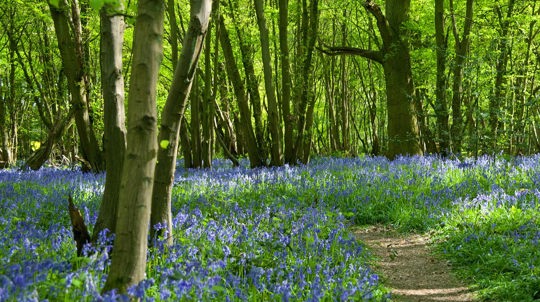
Bluebells are one of our most iconic species. If you stumble upon that familiar, yet magical, blue carpet of flowers, it may be also be a sign that you are in a precious ancient woodland.
Ancient woodland dates back at least 400 years, is one of our most species-rich habitats and nowadays only covers about 2.5% of the UK’s land area. Protecting ancient woodland against a variety of threats, including development or replanting with conifers, is one of our top priorities.
Six reasons to grow native bluebells (Hyacinthoides non-scripta) in your garden
- Bluebells are one of the UK’s most loved wildflowers.
- They're easy to grow so you can recreate that amazing woodland bluebell carpet experience in miniature.
- You'll get a welcome splash of colour in April and May.
- Nectar-seeking insects like bees will love the early food source.
- It's a good plant for those tricky shady spots in the garden.
- They are quick to spread.
Why growing native bluebells matters
Few sights signal the arrival of spring quite like a woodland with vibrant violet bluebells. But growing these wildflowers in your garden isn’t just about creating a stunning display. Native bluebells play an important role in supporting pollinators, providing an early source of nectar. Planting native bluebells is especially important if you live near woodland as non-native species, such as Spanish bluebells, can crossbreed with our native species, resulting in hybrid plants and threatening native bluebell populations.
Why native bluebells are special and under threat
The UK is home to more than half of the world’s population of bluebells, making their conservation particularly important. They’re protected under the Wildlife and Countryside Act (1981), making it illegal to dig up or remove plants for sale. They are also known as an ancient woodland indicator species, meaning their presence often signals that a woodland has remained undisturbed for a considerable amount of time.
Despite their importance, native bluebells face several threats, including habitat loss, hybridisation with non-native species and the illegal trade of wild-collected bulbs.
Even simple disturbance can cause lasting harm. Walking through or trampling bluebells can damage the plant and take years to recover. It’s extremely important to keep to the path on a woodland walk to not damage bluebell colonies.
How to grow bluebells in your garden
It’s quicker to start with bulbs since seeds can take four to five years to reach flowering size. You can buy bulbs either in spring ‘in the green’ (during active growth) when it is believed they are more likely to establish successfully, or as dry bulbs at other times of the year.
Where to source your bluebells
Bluebells are legally protected and it is against the law to dig them up from the wild. Make sure you source bluebell bulbs responsibly by asking your garden centre, nursery or online supplier to confirm the bulbs are cultivated and not wild collected. They should also be sourced and grown in the UK to reduce the risk of pests or diseases being imported from abroad.
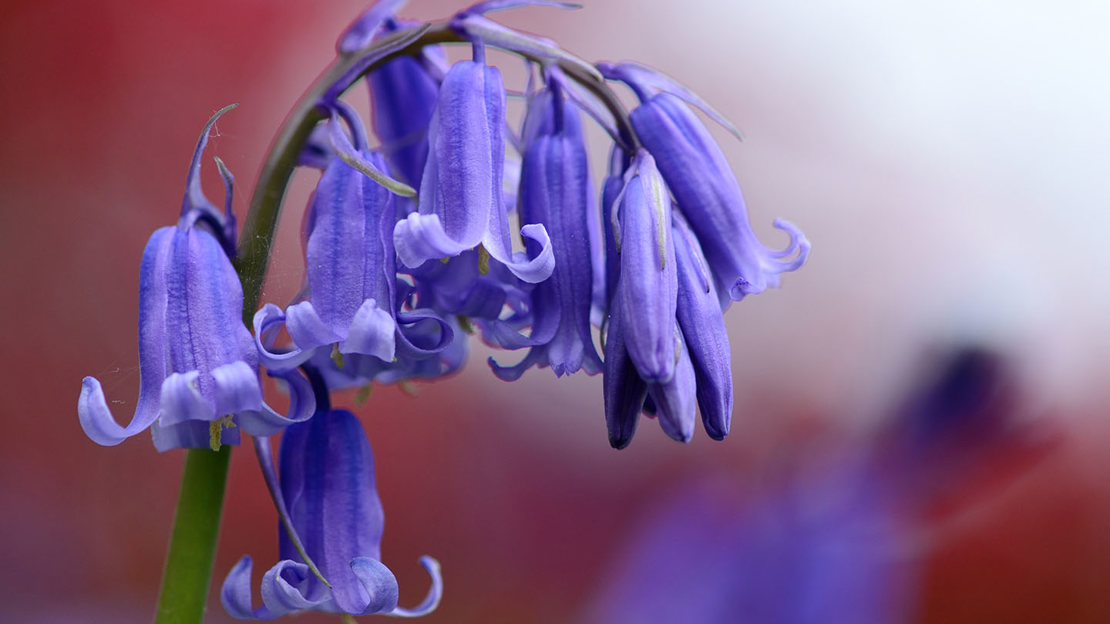
If you’re buying plants that are in flower, take a close look. The flowers of native bluebells are a vivid violet-blue colour and the arching stem of flowers is held on one side. See our identification tips for more help on what they look like.
Where to grow bluebells
If we take a cue from their natural habitat it will be no surprise to learn that bluebells thrive in partial shade, under deciduous trees or shrubs and need moist but well-drained soil. I personally think they are at their most stunning when planted under silver birch trees, creating a ‘woodland in miniature’.
Bluebells also thrive when planted in grass, provided those areas are not mown until the leaves have fully died back each year.
Planting and care
Planting
- Plant ‘in the green’ bulbs at the same depth they were in the ground before (look for the junction where the foliage turns from white to green). Plant dry bulbs at least 10cm deep and space 10cm apart; ensure the pointed growing tip is facing upwards.
- For a more natural effect, plant small clumps of bluebells together with irregular spacing between clumps. You could also throw the bulbs across the planting area and plant them where they land.
- Choose partial shade and moist but well-drained soil. Enrich soil with leaf mould, manure or garden compost.
- Water well after planting.
Care and growth
- Growth and flowering may not be brilliant the following year as the plants re-establish. Be patient!
- After leafing and flowering each year, don't cut the foliage, as leaves use sunlight to make food which strengthens the plant for the following year.
- If you want to help your bluebells spread, lift and divide bulbs after flowering, though healthy bluebells will naturally multiply over time.
- Dense clumps of bluebells may eventually out-compete more delicate spring plants or spread to the ‘wrong’ place in your garden. Removing heads after flowering will help prevent spreading and unwanted bulbs can be dug up during the growing season when they are more easily found.
Avoid these common mistakes
- Don’t buy or plant non-native bluebells, particularly if you live near a local woodland to prevent hybridisation.
- Don’t dig up wild bluebell plants or bulbs, they are legally protected.
- If planting in grass, avoid mowing until the leaves have completely died back.
Record bluebells for Nature’s Calendar
Whether you have bluebells in your garden or you’ve spotted some on a regular route, letting us know when they start flowering is simple but vital information!
The Nature’s Calendar project tracks the effects of weather and climate change on wildlife across the UK – its records date all the way back to 1736! Bluebells beginning to flower is one of 69 wildlife species recorded for the project.
Join Nature’s Calendar to record your sightings – every record is crucial and valid. The data recorded helps us to better understand the effects of climate change and other patterns in the natural environment. By taking just a few minutes to share what you see, you'll be adding to hundreds of years' worth of important data. We couldn't do this work without you!
This blog was originally published on 28 March 2019, and was last updated on 10 March 2026, to include new information.
Nature's Calendar
Help monitor the effects of climate change on wildlife near you. Your records contribute to a growing body of evidence on global warming.